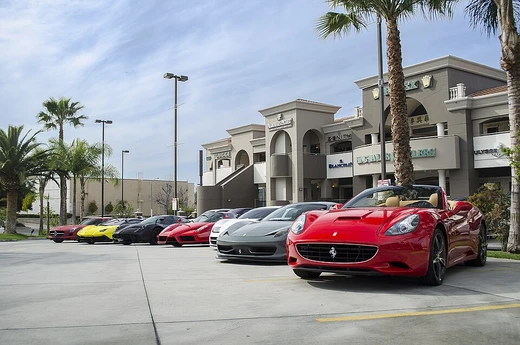
Lamborghini Aventador
Mid-engine V12 sports car produced 2011–2022.

via Wikipedia: Lamborghini Aventador · see source
The Lamborghini Aventador is a mid-engine, two-seater sports car manufactured and marketed by Lamborghini from 2011 until 2022. Named after a prominent Spanish fighting bull that fought in Zaragoza, Aragón, in 1993, it succeeded the Murciélago and was produced in Sant'Agata Bolognese, Italy. It was launched on 28 February 2011 at the Geneva Motor Show, five months after its initial unveiling in Sant'Agata Bolognese, and was internally codenamed LB834.
- Manufacturer
- Lamborghini
- Production years
- 2011–2022
- Engine
- 6.5 L V12 (L539)
- Predecessor
- Murciélago
- Successor
- Revuelto (2023)
- Assembly
- Sant'Agata Bolognese, Italy
Verified Timeline
Lore & Background
The Aventador was designed by Filippo Perini and first released as the LP 700-4 coupé. It used Lamborghini's 700 PS (515 kW; 690 hp) 6,498 cc V12 engine, known internally as the L539, which was the company's fifth in-house engine and second V12 design. The seven-speed single-clutch automated manual transmission was built by Graziano Trasmissioni, and the all-wheel drive system was developed by Haldex Traction. Soon after its unveiling, Lamborghini announced it had sold 12 cars, with deliveries starting in the second half of 2011. By March 2016, 5,000 Aventadors had been built, making it the second-best selling Lamborghini model at the time.
Reader's Guide
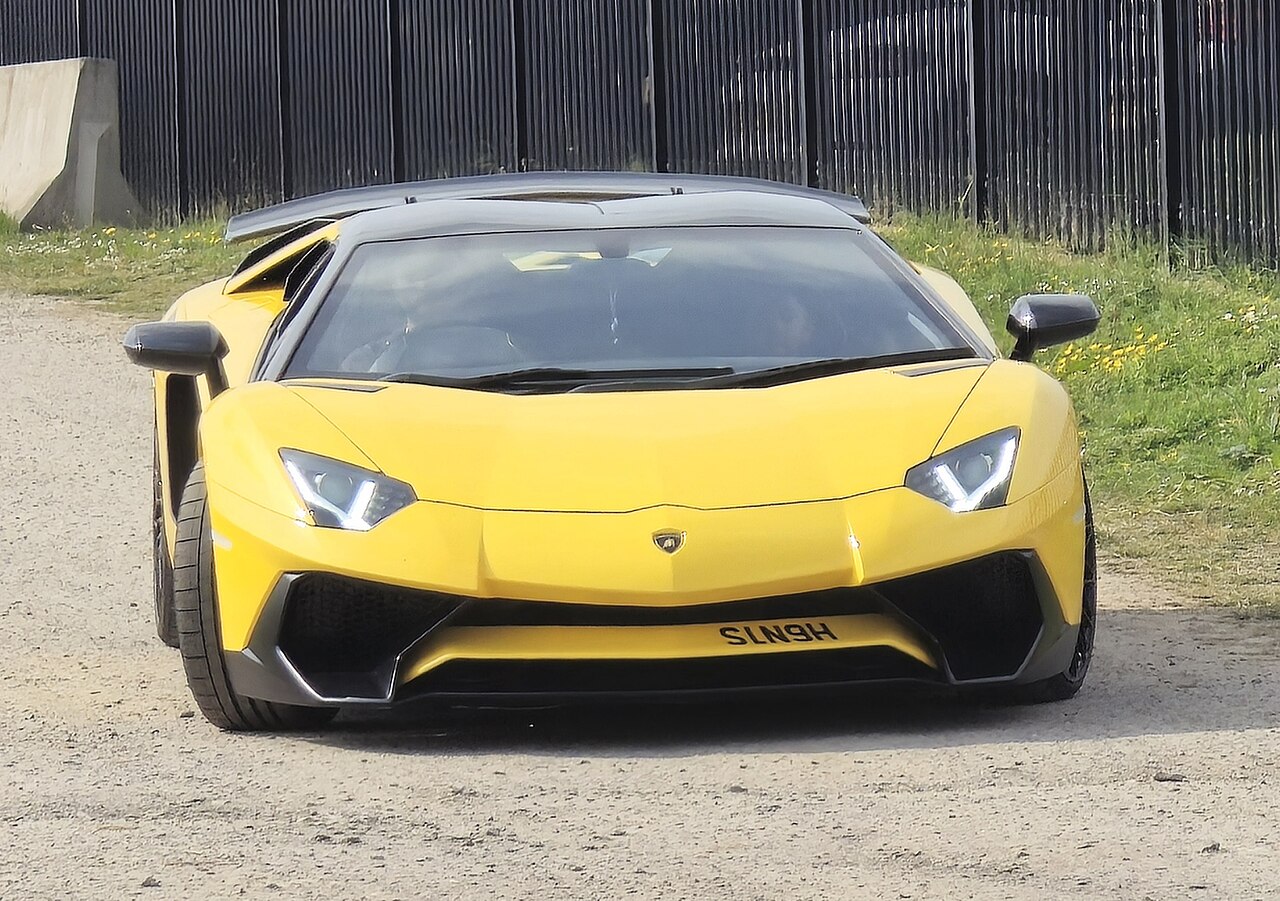
The Aventador line included multiple variants: the LP 700-4 (2011–2016), Roadster (2013–2016), SuperVeloce LP 750-4 (2015–2017), SuperVeloce Roadster (2016–2017), S LP 740-4 (2016–2021), S Roadster (2017–2021), SVJ LP 770-4 (2018–2021), SVJ Roadster (2019–2021), and LP 780-4 Ultimae (2021–2022). The SVJ set a production car lap record at the Nürburgring Nordschleife in July 2018 with a time of 6:44.97. The Aventador was replaced by the Revuelto in 2023.
Did You Know?
- The Aventador is named after a Spanish fighting bull that fought in Zaragoza, Aragón, in 1993.
- The seven-speed single-clutch automated manual transmission was built by Graziano Trasmissioni.
- The all-wheel drive system was developed and supplied by the Swedish company Haldex Traction.
- A camouflaged SVJ prototype set a production car lap time of 6:44.97 around the Nürburgring Nordschleife in July 2018.
- In February 2022, 15 Ultimae cars were destroyed when the car carrier ship Felicity Ace caught fire and sank near the Azores; Lamborghini restarted production to replace them.
The Bull That Gave It a Name
The Aventador takes its name from a Spanish fighting bull that battled in the arena at Zaragoza, Aragón, in 1993 — a continuation of Lamborghini's tradition of drawing model names from the world of bullfighting. Conceived to replace the Murciélago, which had held the flagship title for roughly a decade, the new car was developed under the internal code LB834 and built in Sant'Agata Bolognese, Italy. At its heart sits the L539, a 6.5-litre, 60-degree V12 delivering 700 PS and weighing approximately 235 kg. That powerplant represented Lamborghini's fifth in-house engine and its second V12 architecture since the 3.5-litre unit that powered the 350GT. The structural core is a carbon fibre monocoque, with only eight sets of moulds ever produced, each rated for around 500 cycles. Filippo Perini led the design of the original coupé, and the car was first presented to the public at the Geneva Motor Show on 28 February 2011, five months after an earlier unveiling at the Sant'Agata factory.
Raw Numbers on the Tarmac
The Aventador's performance figures paint a picture of a car engineered for outright velocity. From a standstill it covers 0 to 100 km/h in just 2.9 seconds, reaches 161 km/h in 6.4 seconds, and blasts through a 400-metre sprint in 10.5 seconds while touching 220 km/h at the finish line. Braking from 97 km/h to zero requires only 30 metres, and the chassis can sustain cornering loads of 1.05 g. Power delivery is handled by a seven-speed single-clutch automated manual gearbox built by Graziano Trasmissioni, while the electronically controlled all-wheel-drive system was developed and supplied by Swedish firm Haldex Traction. The Roadster variant, sharing the same V12, was claimed to hit a top speed of 349 km/h. Later iterations pushed these numbers further: the SuperVeloce trimmed 50 kg and added 50 PS to cut the 0–100 time to 2.8 seconds, while the Aventador S carried a 740 PS rating and introduced four-wheel steering alongside a new LDVA electronic control unit offering Sport, Strada, Corsa, and Ego driving modes.
A Decade of Refinement
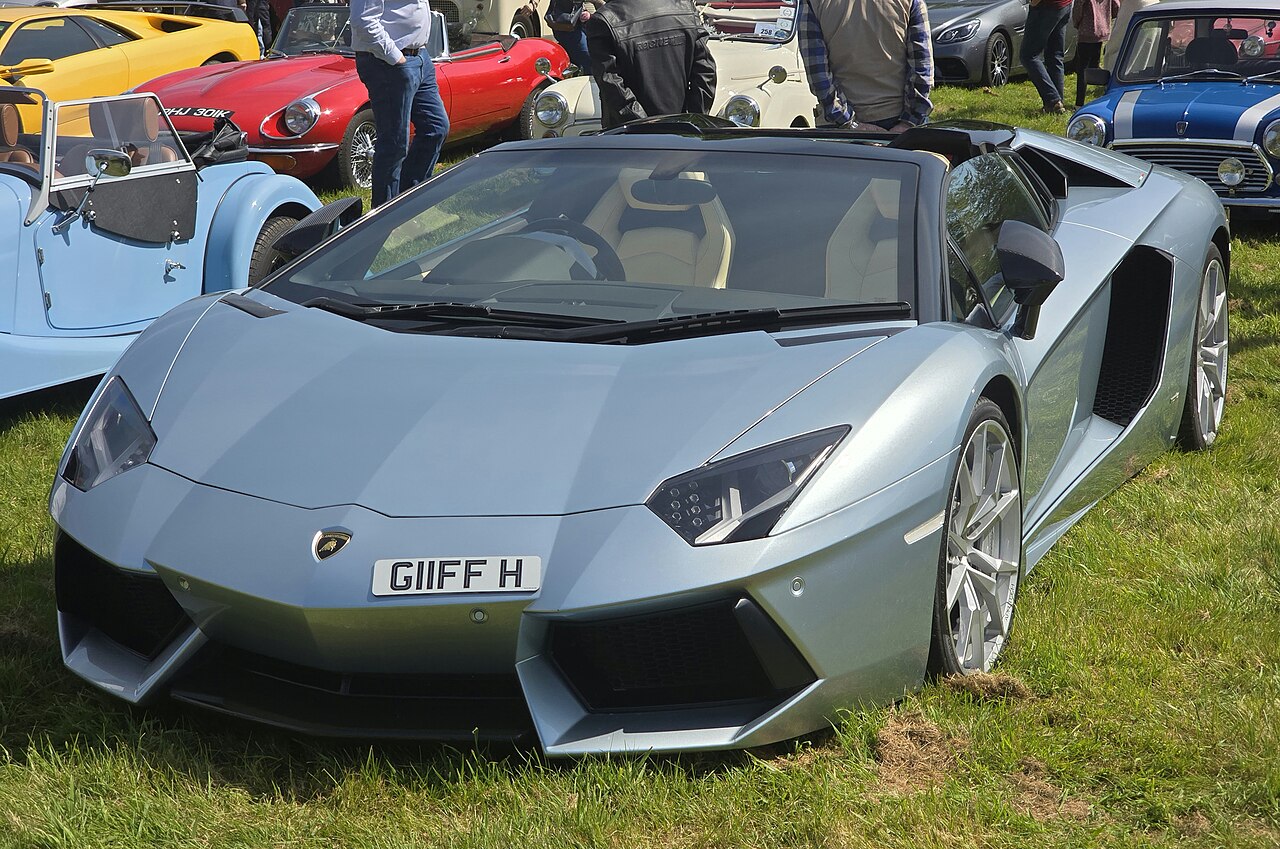
From 2011 to 2022, Lamborghini continually evolved the Aventador platform through a succession of variants, each sharpening a different facet of the car. The original LP 700-4 coupé was followed by a Roadster whose removable roof comprised two carbon fibre panels of 6 kg each, stowable in the front luggage compartment, with the rear pillar reinforced to compensate for lost rigidity. In 2015 the SuperVeloce arrived with 750 PS, 180 percent more downforce, a fixed carbon-fibre rear wing, magnetic push-rod suspension, and a production cap of 600 units; its final car was finished in a bespoke liquid metallic silver. A SuperVeloce Roadster followed, limited to 500 examples and weighing 1,575 kg. The 2016 Aventador S, designed by Mitja Borkert, bumped output to 740 PS, added four-wheel steering, carbon ceramic brakes, and 130 percent more front downforce over the original. An S Roadster debuted at the 2017 Frankfurt Show, mechanically mirroring its coupé sibling.
Numbers That Told a Story
Commercially, the Aventador proved that a modern supercar could sustain demand across more than a decade. Lamborghini had originally planned production of 4,000 coupés, yet by March 2016 the marque had already built 5,000, making it the second-best-selling Lamborghini model of all time at that point. Demand was immediate: within weeks of the Geneva reveal, 12 cars had already been sold, with deliveries beginning in the second half of 2011. The carbon fibre monocoque was produced using just eight sets of moulds, each expected to yield approximately 500 shells — a constraint that underscored the hand-built, artisanal nature of the programme. The SuperVeloce was capped at 600 units and the SV Roadster at 500, reinforcing the exclusivity of the top-tier variants. Production of the entire Aventador family ran until 2022, after which the Revuelto took over as the new flagship in 2023, closing a chapter that had defined a generation of V12 supercars.
Common Misconceptions (Editorial)
Some people mistakenly think the Aventador’s name is simply a random exotic car name, but it is actually named after a specific Spanish fighting bull that fought in Zaragoza, Aragón, in 1993. Another common error is assuming the Aventador used a dual-clutch transmission, when in fact it employed a seven-speed single-clutch automated manual transmission built by Graziano Trasmissioni.
Why It Matters (Editorial)
The Aventador endures as Lamborghini’s last pure V12 flagship unassisted by hybrid or turbocharging, making it a landmark of naturally aspirated performance engineering. Its record-breaking Nürburgring lap and the tragic loss of 15 Ultimae units in the Felicity Ace sinking highlight both the car’s extreme capability and the fragility of automotive history at sea. For enthusiasts, the Aventador is not just a supercar but the final roar of an era before electrification took hold.
Gallery
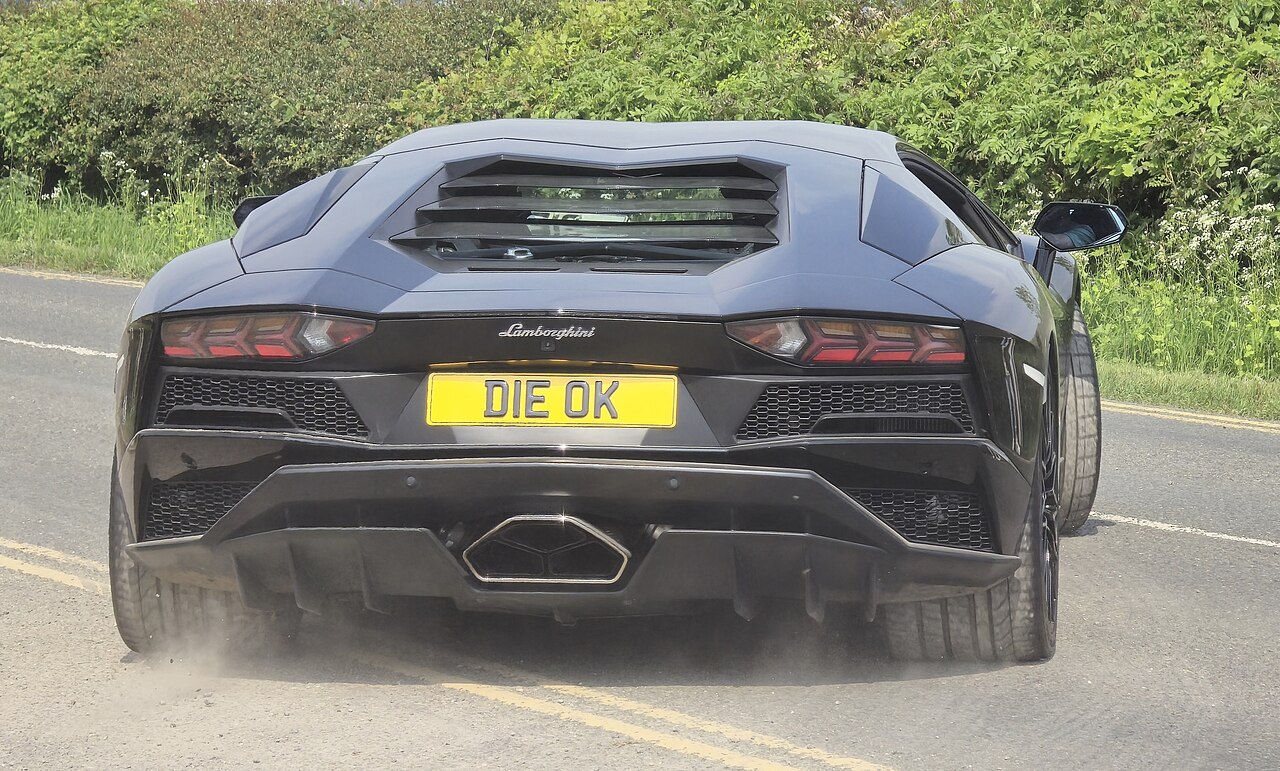

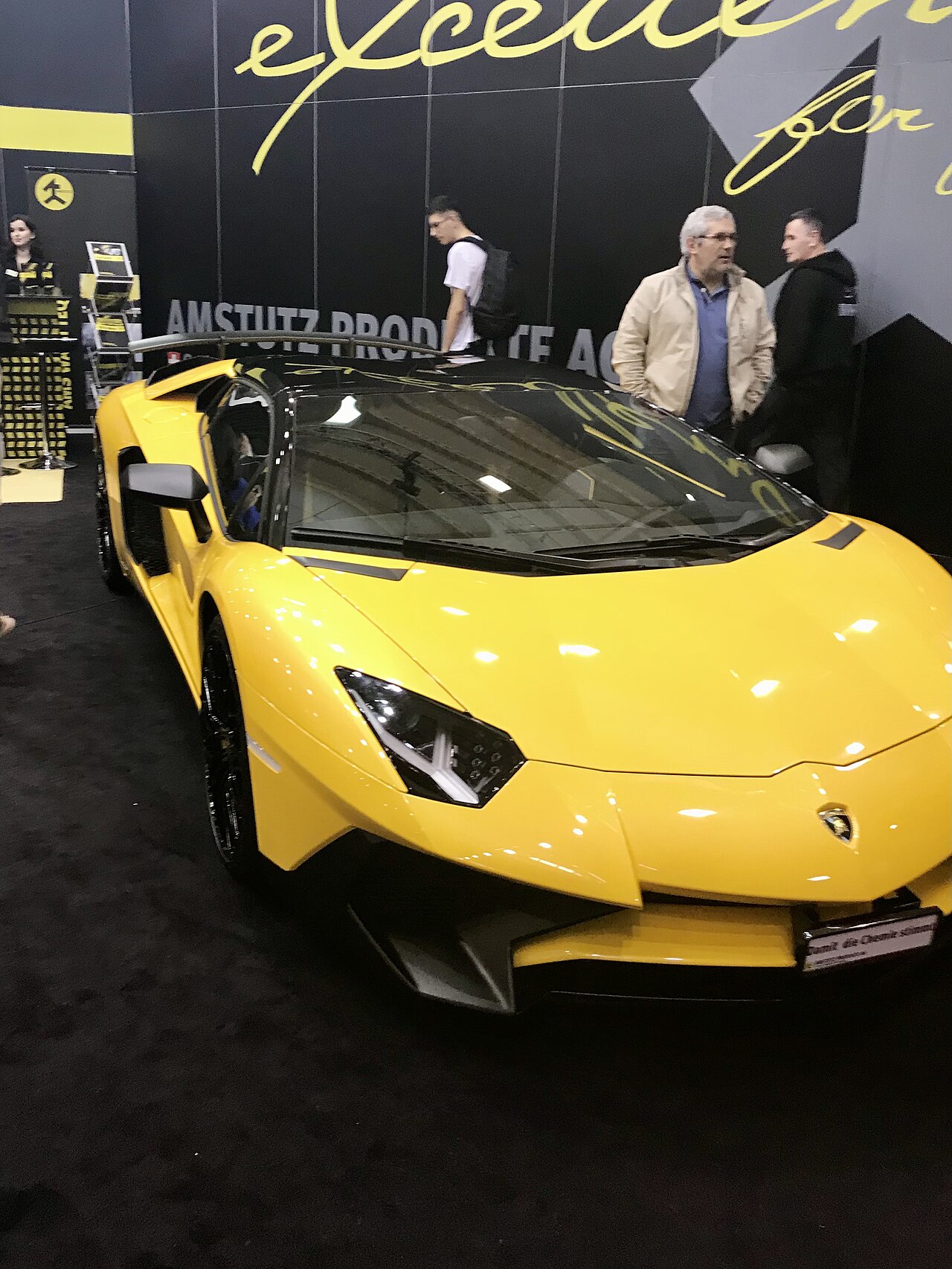
Frequently Asked Questions
What is the Lamborghini Aventador?
It is a mid-engine, two-seat sports car that Lamborghini built from 2011 through 2022 at its Sant'Agata Bolognese plant. It served as the brand's flagship road car, replacing the Murciélago and eventually giving way to the Revuelto in 2023.
What does the name 'Aventador' refer to?
The name honors a Spanish fighting bull that took part in a bullfight in Zaragoza, Aragón, in 1993. Lamborghini has long followed the tradition of naming its models after famous bulls.
What engine does the Lamborghini Aventador use?
It is powered by a 6.5-liter naturally aspirated V12, internally designated L539. This high-revving twelve-cylinder is the heart of the car's performance and sound signature.
When and where was the Aventador first revealed?
Lamborghini gave an initial in-house unveiling in Sant'Agata Bolognese, then made the official public debut at the Geneva Motor Show on 28 February 2011. The project carried the internal codename LB834 during development.
What came before and after the Aventador in Lamborghini's lineup?
The Murciélago was its direct predecessor, and the Revuelto (introduced in 2023) is its successor. For roughly eleven years the Aventador sat at the top of Lamborghini's road-car range.
More in Supercars 1-20
Spotted an error? Know more?
This is a living reference — every entry is fact-audited, and reader corrections feed straight into our audit queue. Suggest an edit · See this site's audit record