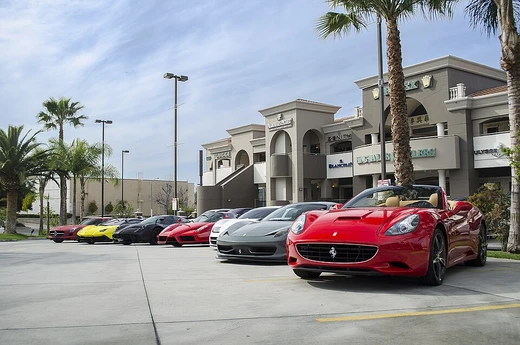
Pagani Zonda
Italian mid-engine sports car produced in limited units since 1999.

via Wikipedia: Pagani Zonda · see source
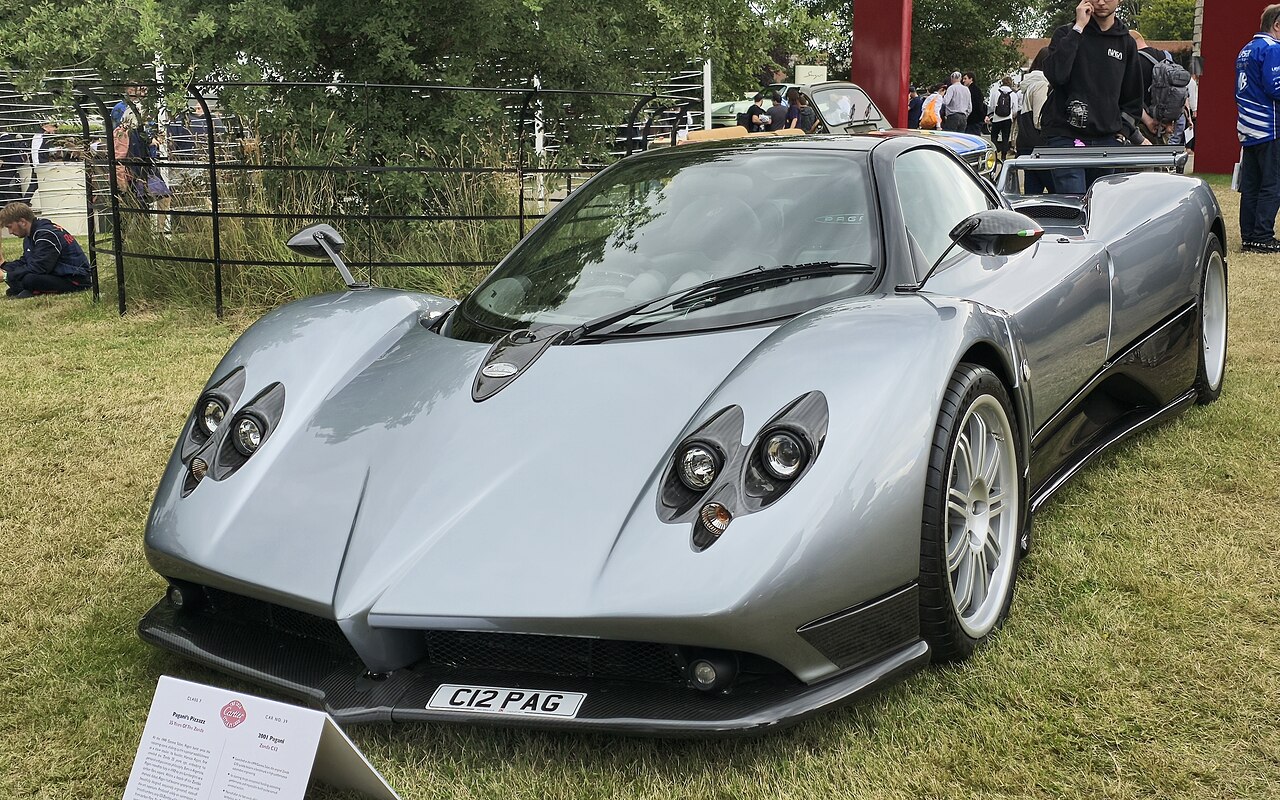
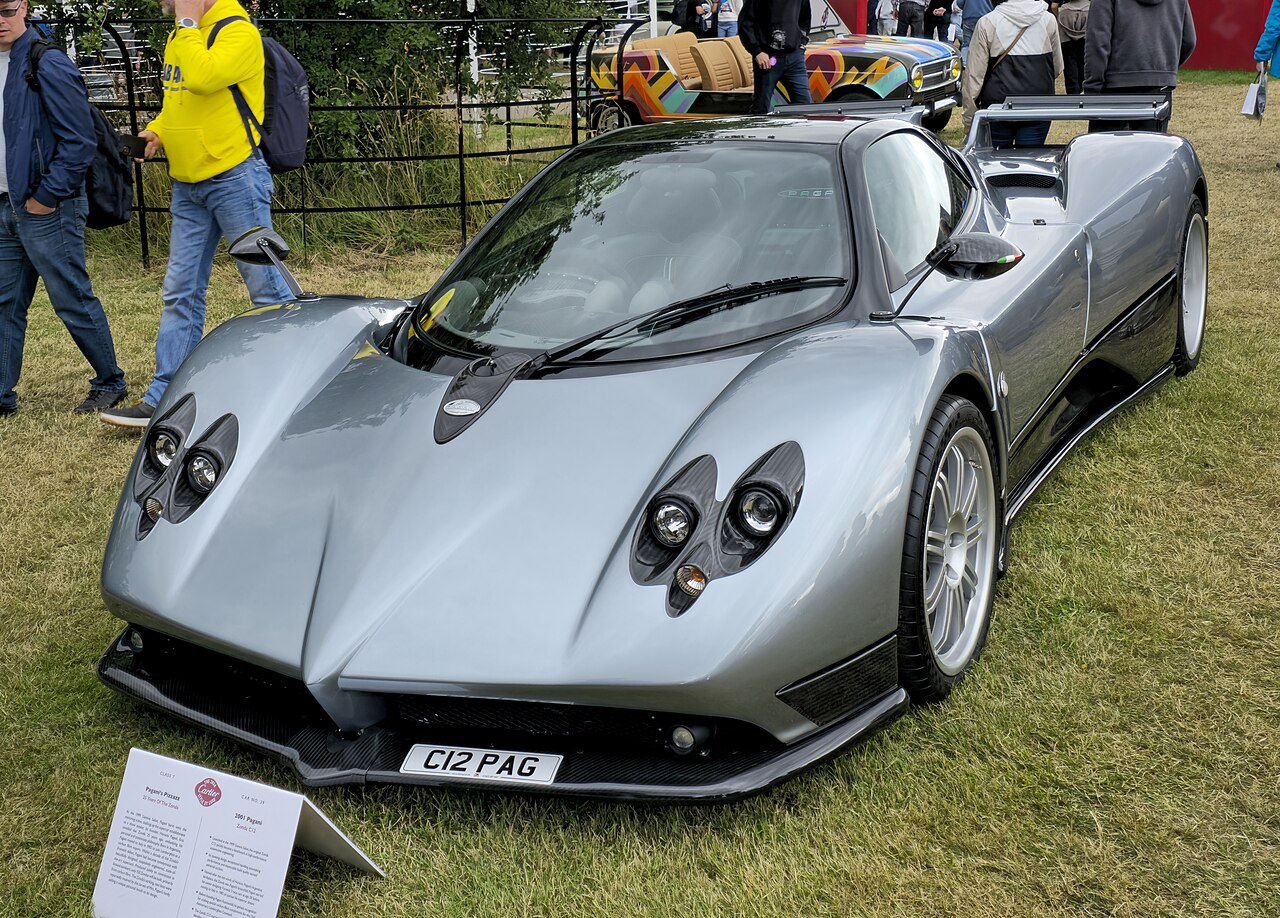
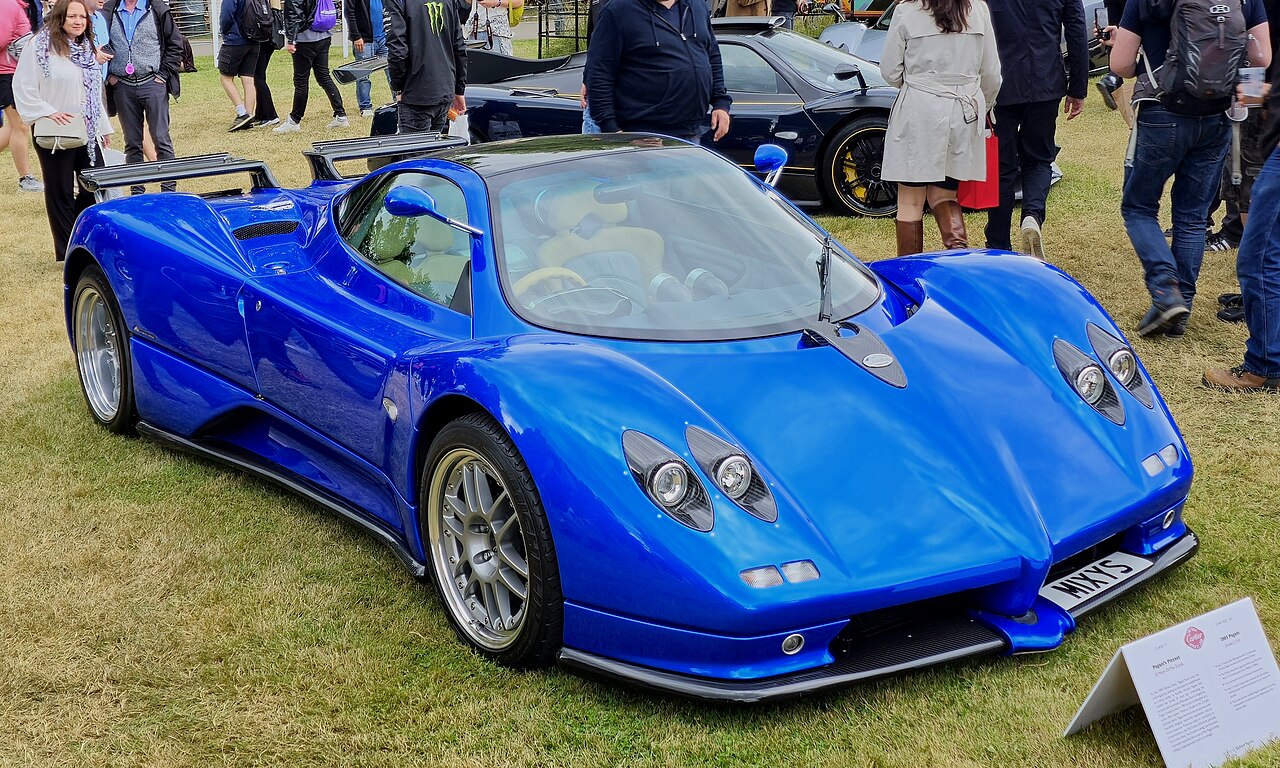
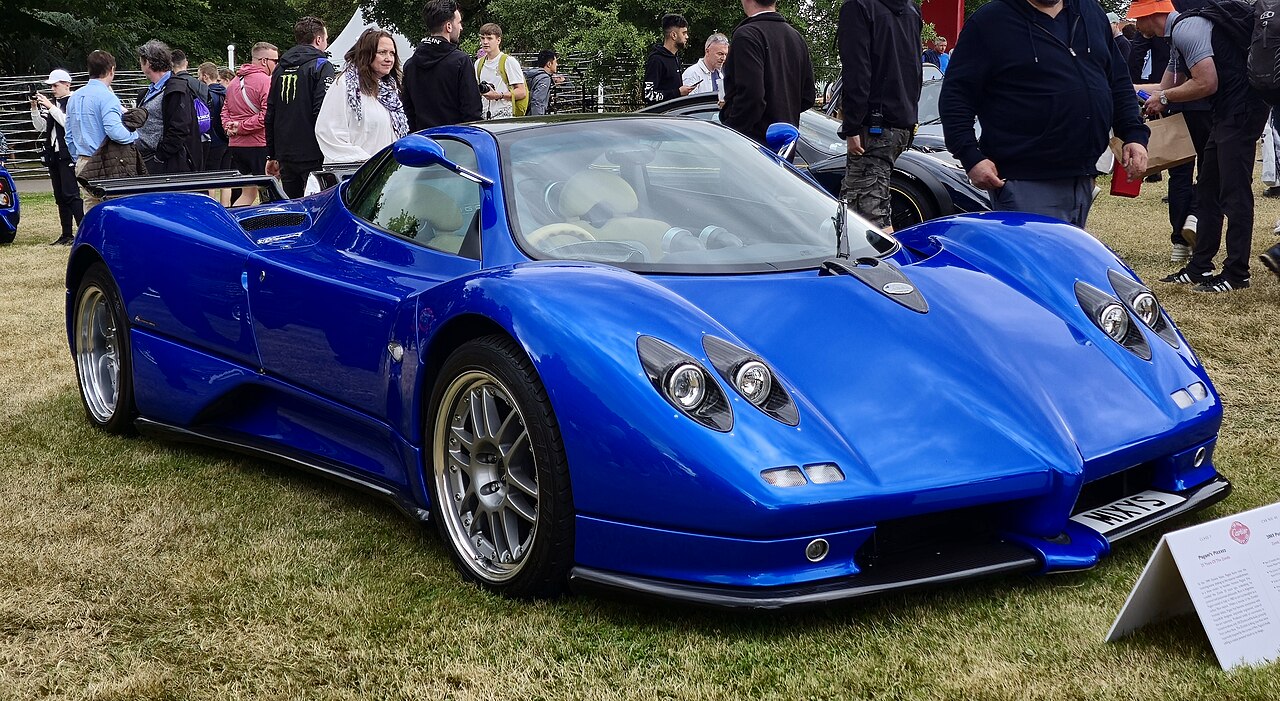
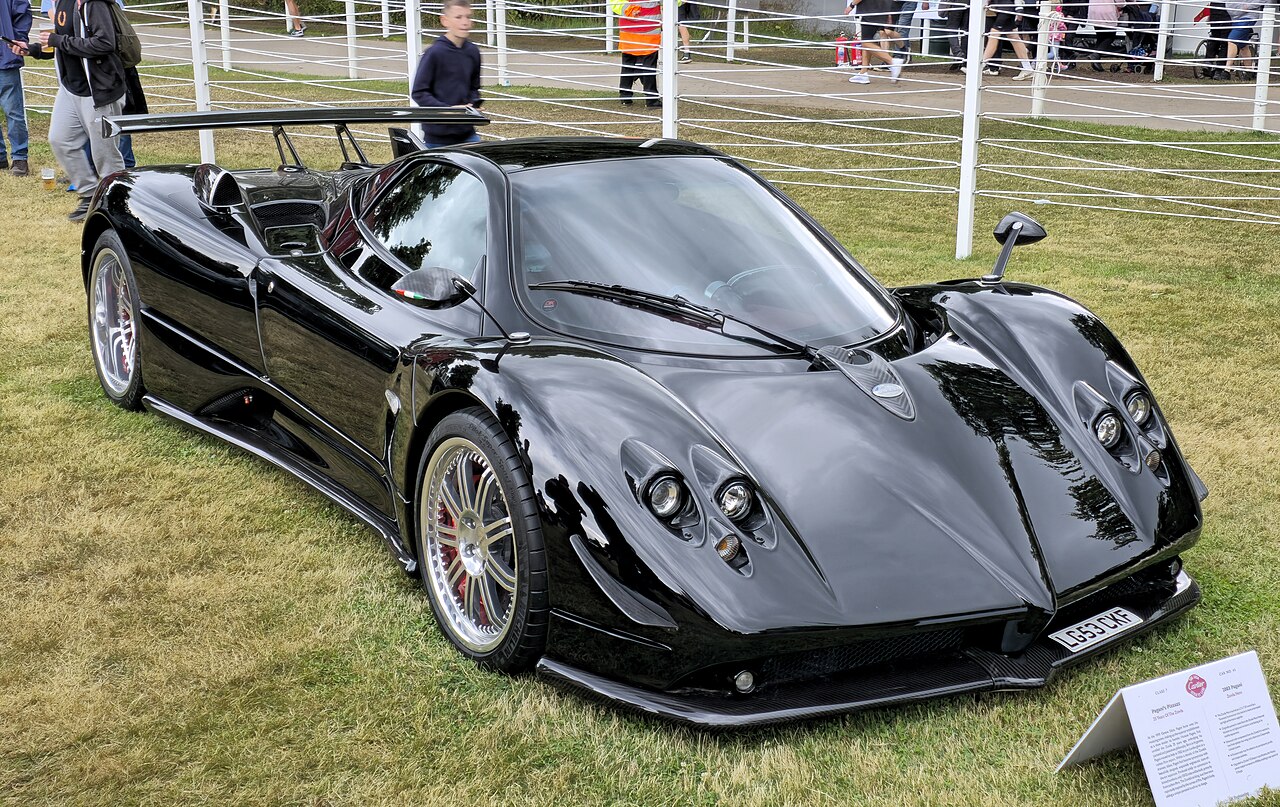
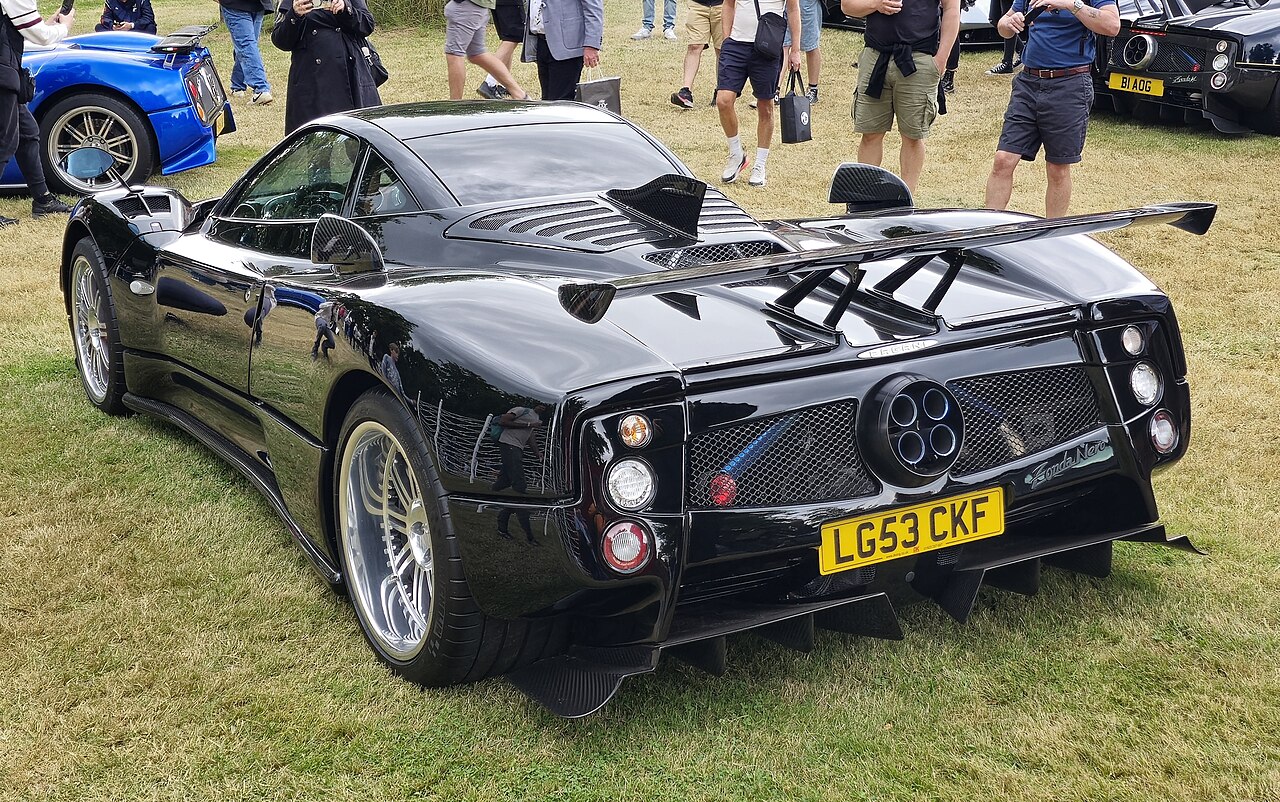
The Pagani Zonda is a mid-engine sports car produced by Italian sports car manufacturer Pagani. It debuted at the 1999 Geneva Motor Show. Produced on commission in limited units, as of 2019 a total of 140 cars had been built, including development mules. Variants include a two-door coupé and roadster variant, along with a third new variant being the barchetta. Construction is mainly of carbon fibre.
- Manufacturer
- Pagani
- First introduced
- 1999 Geneva Motor Show
- Total built (as of 2019)
- 140 (including development mules)
- Body style
- Two-door coupé, roadster, barchetta
- Engine
- Mercedes-Benz V12 (various displacements)
- Construction material
- Mainly carbon fibre
Verified Timeline
Lore & Background
The Zonda was originally to be named the 'Fangio F1' after Formula One champion Juan Manuel Fangio, but, following his death in 1995, it was renamed for the Zonda wind, a term for a hot air current above Argentina. The first variant, the Zonda C12, debuted in 1999 with a 6.0 L Mercedes-Benz M120 V12 engine. Only five cars were built with that engine; one was used for crash testing and homologation, another was a demonstrator and show car, and the remainder were delivered to customers. The crash test car (chassis 001) was restored by Pagani's restoration program 'Pagani Rinascimento' and presented at the 2019 Geneva Motor Show for the Zonda's 20th anniversary. Subsequent variants included the Zonda C12-S with a 7.0 L AMG-tuned engine, the Zonda S 7.3 with a 7.3 L engine, and the Zonda Roadster in 2003. The Zonda F (or Zonda Fangio) debuted in 2005 with a 7.3 L Mercedes-AMG M297 V12 engine producing 602 PS, limited to 25 cars. The Zonda Roadster F followed in 2006, also limited to 25 units, and included a Clubsport lightweight version. Later models included the track-only Zonda R (2007), the Zonda Cinque (five coupés and five roadsters, 2009), the Zonda Tricolore (three units), the Zonda Revolución (2012), and the Zonda HP Barchetta (2017), the most powerful road-legal Zonda with 800 PS.
Reader's Guide
The Pagani Zonda represents a significant chapter in modern sports car history, defined by its hand-built, commission-based production and extensive use of carbon fibre. Its development spanned two decades, with each variant pushing performance and exclusivity further. The Zonda's lineage includes numerous limited-run models, many created at the request of dealers or as tributes, such as the Cinque (named for its five-unit run) and the Tricolore honoring Italy's aerobatic team. The Zonda HP Barchetta, unveiled in 2017, marked the model's 18th anniversary and was a gift to founder Horacio Pagani. The car's engineering innovations included carbo-titanium materials, automated manual gearboxes with sub-100-millisecond shifts, and track-focused variants like the Zonda R and Revolución. Despite the introduction of the Huayra, the Zonda remained in production through special editions, with a total of 140 cars built by 2019. Its legacy is one of extreme rarity, bespoke craftsmanship, and a continuous evolution of the original 1999 design.
Did You Know?
- The Zonda was originally to be named the 'Fangio F1' after Formula One champion Juan Manuel Fangio, but was renamed after his death in 1995.
- Only five Zonda C12 cars were built with the 6.0 L engine; one was used for crash testing and homologation.
- The Zonda Cinque was developed at the request of a Pagani dealer in Hong Kong, and only five coupés and five roadsters were built.
- The Zonda HP Barchetta, unveiled in 2017, produces 800 PS and 850 N·m of torque, making it the most powerful road-legal Zonda.
- Chassis number 001, the original crash-test car, was restored by Pagani's 'Pagani Rinascimento' program and shown at the 2019 Geneva Motor Show for the Zonda's 20th anniversary.
A Name Born of Loss and Wind
The Pagani Zonda carries a name with a poignant backstory. Originally intended to honor Formula One legend Juan Manuel Fangio as the 'Fangio F1,' the project was renamed after Fangio's passing in 1995. The new name draws from the Zonda wind, a powerful hot air current that sweeps across Argentina. The car made its public debut at the 1999 Geneva Motor Show as the Zonda C12, a mid-engine sports car constructed primarily from carbon fibre. Pagani produced the Zonda exclusively on commission in extremely limited numbers; by 2019, just 140 units had been completed, a figure that includes development mules. The model family expanded over the years to encompass a two-door coupé, a roadster, and a barchetta variant, each representing a distinct interpretation of the same underlying philosophy. The Zonda's identity was thus shaped from the very beginning by loss, Argentine weather, and an unwavering commitment to hand-built exclusivity.
A V12 That Kept Growing
The heart of the Zonda family was a continuously evolving Mercedes-Benz V12, tuned and enlarged across successive generations. The original C12 debuted with a 6.0-litre M120 producing either 408 or 450 PS, paired with a five-speed manual gearbox. Only five cars received that displacement before the C12-S arrived in 2002, swapping in a 7.0-litre AMG-tuned version delivering 550 PS and a new six-speed CIMA transmission built to cope with the extra torque. The S 7.3 pushed displacement further to 7.291 litres for 555 PS and 750 N·m, with traction control and ABS becoming standard equipment. The Zonda F then introduced an all-new M297 V12 of the same 7.3-litre capacity but reworked with enhanced intake manifolds, a revised exhaust, and a new ECU to extract 602 PS. The Roadster F pushed output to 650 PS, while the final road-legal Zonda Cinque added a six-speed automated manual with shifts under 100 milliseconds, cutting the 0–100 km/h sprint to 3.4 seconds.
Engineering the Roofless Zonda F
The Zonda F, unveiled at the 2005 Geneva Motor Show, represented the most thorough re-engineering the Zonda had yet undergone. Limited to just 25 examples, it featured revised bodywork with a new front end, a redesigned rear spoiler, additional aerodynamic vents, and a different headlight and fog-light configuration. Under the skin, Pagani fitted carbon-ceramic brakes measuring 380 mm developed with Brembo, an Inconel exhaust system, a hydroformed aluminium intake plenum, and a redesigned 'Z preg' carbon weave in the crash structure to boost rigidity while shedding weight. The Roadster F, shown the following year and also capped at 25 units, posed a unique structural challenge: removing the roof without adding the 35-plus kilograms of sill reinforcement that conventional thinking would demand. Pagani instead borrowed techniques from racing cars, strengthening the firewall of the chassis tub and connecting the former roof-rail attachment points with billet alloy braces. The result was a car weighing just 5 kg more than its coupé sibling, at 1,230 kg total.
Final Iterations and a Restored Legacy
The Zonda's final chapters were defined by exclusivity and a bridge to the track. In 2007, Pagani presented the Zonda R, a track-only variant stripped for pure performance. The road-legal Zonda Cinque, whose Italian name means 'five,' was developed at the request of a Hong Kong dealer and saw just five cars delivered in June 2009. Its automated manual gearbox and sub-100-millisecond shifts underscored how far the lineage had progressed from the C12's five-speed manual. The Zonda's legacy was further cemented when Pagani's 'Pagani Rinascimento' restoration program brought chassis number 001—the original crash-test and homologation mule—back to life for public display at the 2019 Geneva Motor Show, marking the model's twentieth anniversary. With a total production run of 140 cars spanning coupés, roadsters, and barchettas, the Zonda remains a compact but deeply influential chapter in Italian automotive history, a car whose name still evokes both a South American wind and a racing champion's memory.
Common Misconceptions (Editorial)
1. Some assume the Zonda was always called “Zonda,” but it was originally intended to be named the “Fangio F1” after Juan Manuel Fangio, and was only renamed after his death in 1995. 2. People may think the Zonda C12 was produced in significant numbers; in fact, only five were built with the 6.0 L engine, with one used for crash testing and homologation. 3. It’s a common belief that all Zondas are either coupés or roadsters, but a third body style—the barchetta—was also produced, as seen with the Zonda HP Barchetta.
Why It Matters (Editorial)
The Pagani Zonda matters because it represents a singular fusion of artisanal craftsmanship and raw performance, carving out a lasting legacy in an era increasingly dominated by mass-produced hypercars. Its limited production—just 140 cars in two decades—and the obsessive attention to carbon-fiber construction and bespoke V12 engines have made it a grail for collectors, ensuring its endurance as a benchmark for extreme, hand-built automotive artistry.
Gallery
Frequently Asked Questions
What is the Pagani Zonda?
The Pagani Zonda is a mid-engine supercar hand-built by the Italian manufacturer Pagani, first revealed at the 1999 Geneva Motor Show. Rather than being mass-produced, each car was crafted to order in very small, limited batches.
What engine powers the Pagani Zonda?
Every Zonda is driven by a Mercedes-Benz V12, with displacement shifting slightly across different model years and trims. This Italian-built, German-powered pairing is one of the car's most celebrated traits.
How many Pagani Zondas were ever made?
As of 2019, roughly 140 units had been completed, a count that also includes the early development mules. That extreme scarcity is a huge part of the Zonda's mystique among collectors and enthusiasts.
What body styles did the Zonda come in?
Pagani offered the Zonda as a two-door coupé, an open-top roadster, and a third variant called the barchetta. All three shared the same mid-engine layout but differed in roof treatment and seating arrangement.
What material is the Pagani Zonda built from?
The chassis and body structure are predominantly carbon-fibre, giving the car a light yet remarkably rigid frame. This material choice was central to Horacio Pagani's design philosophy from the very first prototype onward.
More in Supercars 1-20
Spotted an error? Know more?
This is a living reference — every entry is fact-audited, and reader corrections feed straight into our audit queue. Suggest an edit · See this site's audit record